If you’re asking why is your website not ranking on Google, you’re not alone. Many websites get indexed correctly but never appear on the first pages of search results. This usually happens even when basic SEO rules seem to be followed.
In most cases, the problem is not Google itself, but a combination of weak search intent alignment, technical SEO gaps, or low topical authority. Understanding why your website is not selected as a primary answer requires looking beyond keywords and focusing on how search engines are evaluating our content.
You need to bear in mind first that when your website indexed but not ranking, it means Google can find and crawl your pages, but doesn’t consider them competitive enough to show in top results. This is extremely common for new websites or sites with thin content, weak internal linking, or unclear topical focus.
Maybe you lately published content, optimized it, and watched as Google… barely noticed it? You’re not alone. In 2026, ranking isn’t just about keywords or backlinks—it’s about trust, authority, and relevance. Google wants to show users the best, most complete answers, and if your website isn’t meeting the mark, it can stay invisible even while indexed.
So, in this guide, we’ll break down why websites don’t rank, the common SEO mistakes, the new rules introduced by AI-driven search and generative engines, and step-by-step strategies to regain visibility. By the end, you’ll have a roadmap that combines practical SEO, technical hygiene, and content authority—everything Google and AI models now reward.
Why Your Website Is Indexed but Not Ranking on Google:
What’s Really Happening? First, Let’s Clear Up a Big Confusion: Indexing vs Ranking. One of the most common misunderstandings I see is this:
“My site is indexed, so why isn’t it ranking?”
Many website owners confuse “indexed” with “ranking.” Indexing simply means Google knows your page exists.
Ranking means Google trusts your page enough to show it instead of others because it believes your page is the best answer for a user’s query.
So, those are two very different decisions. You can be fully indexed and still invisible in search results—and that situation is far more common than people realize. When a site is indexed but not ranking, Google is essentially saying:
“I see this page, but I don’t see a strong reason to prioritize it.”
That reason is almost never:
- A missing keyword
- A wrong plugin
- A single technical setting
It’s usually about comparative value.
Google isn’t asking, “Is this content correct?”
It’s asking, “Is this better, clearer, or more useful than what already exists?”
If the answer is “not really,” your page stays buried—even if it’s technically fine.
Its the reason why understanding why your website is not ranking is critical before attempting fixes. And common reasons include:
- Ignoring AI and Generative Search: Google’s AI features now synthesize information from multiple sources. If your site isn’t structured and cited properly, AI-driven results may bypass your pages entirely.Even when indexed, sites fail to rank due to:
- Technical SEO Problems: Even the best content can fail if search engines cannot crawl your site properly. Issues like slow page speed, broken links, improper use of meta tags, and missing sitemaps prevent Google from understanding your pages.
- Poor Content Structure or Quality: Generic or shallow content is easily ignored. Google favors long-form, humanized content that answers real questions and demonstrates expertise.
- Low Authority & Backlinks: Backlinks are still important—but quality matters far more than quantity. AI-driven search algorithms now evaluate the reliability of sources, meaning spammy links or irrelevant references can harm rankings.
- User Experience Issues: Mobile responsiveness, navigation ease, and page layout influence rankings. Sites that frustrate users lead to high bounce rates, signaling low value to Google.
A page without context, citations, or structured content may exist digitally but never appear in search results. This is the subtle distinction that separates successful sites from invisible ones.
SEO vs GEO: The Modern Search Reality
To understand why traditional fixes often fail, you need to understand how search itself has changed.
In 2026, SEO alone isn’t enough. AI is reshaping search behavior, so you need to enter GEO (Generative Engine Optimization) to adapt your website to AI-driven search engines, which are now directly answering queries and may bypass traditional rankings.
- Zero-Click Searches: Many users get answers without clicking links. Make your content AI-citable by including facts, step-by-step guides, and structured data.
- Conversational Tone: Write clearly and human-like to appeal to AI and readers alike. Expand bullet points into explanatory paragraphs with examples.
- Fact Verification: Use accurate, verifiable data. AI rewards trustworthy content
Traditional SEO focuses on Google rankings, clicks, and backlinks. GEO focuses on becoming a trusted source for AI-driven responses—the content that ChatGPT, Perplexity, and other LLMs reference when generating answers.
To rank now, you need a hybrid approach:
- SEO = Technical health, keyword strategy, backlinks
- GEO = Unique data, expert quotes, structured schemas, direct answers
The better your content satisfies both humans and AI, the higher your ranking potential—and the longer it lasts.
Pro Tip: Write like you’re explaining concepts to a curious reader—clear, factual, and engaging.
The Pillars of Modern SEO
Even in 2026, SEO remains critical. Without a technically healthy site, GEO efforts will fail. Let’s break down the essentials:
1. Technical Health
A website that loads slowly or breaks on mobile is invisible to both users and AI. Core Web Vitals, HTTPS security, and mobile-first design remain non-negotiable.
- Mobile-first: Over 90% of searches are mobile or voice-driven. A site that isn’t responsive loses credibility instantly.
- HTTPS & Security: Not only does this protect users, it signals trustworthiness to Google and AI.
- Site Speed: Every second counts. A page that takes 5 seconds to load may never be included in AI-generated answers.
For example, I discovered on Reddit that many site owners report losing rankings after redesigns because of accidental noindex tags or broken redirects — a reminder that crawlability and correct redirects matter.
2. Human Backlinks
AI and Google now value authenticity. Backlinks from reputable, human-curated sources outweigh hundreds of generic links. For example, a single link from a trusted tech blog or French news site can dramatically boost both SEO and GEO.
Backlinks remain powerful, but quality trumps quantity.
- Avoid Low-Quality Links: Links from spammy directories can hurt more than help.
- Focus on Niche Authority: Links from relevant, high-authority sites increase both SEO and AI trust. For example, a marketing blog linked by Moz carries immense weight.
- Outreach and Collaboration: Guest posts, influencer collaborations, and shareable research content generate valuable backlinks.
Pro Tip: High-quality backlinks also improve the chance of being cited by generative AI engines.
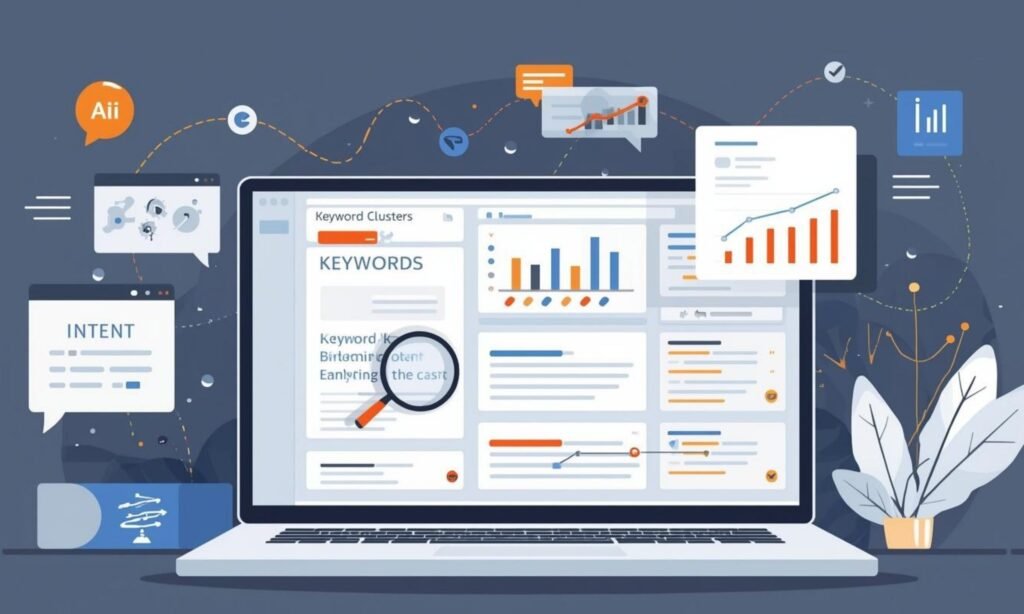
3. Keyword Clusters
Gone are the days of targeting a single broad keyword. Modern SEO targets clusters of related queries. For example:
- “How to hire a freelance web developer in Paris”
- “Freelance developer rates in 2026”
- “Legal contracts for French freelancers”
Keywords are still relevant, but obsession with single keywords is outdated. AI prefers context and semantic understanding.
- Old Keyword Stuffing: Repeating “best SEO 2026” ten times won’t work. Use keyword clusters like “SEO tips for small businesses 2026,” “AI SEO strategies,” and “Google ranking factors 2026.”
- Ignoring Search Intent: Users want answers, not lists. A post titled “Top 10 SEO Mistakes” is less useful than “How to Fix Common SEO Mistakes in 2026 Step by Step.” Explain why each mistake happens and provide practical solutions.
- No Long-Tail Strategy: Long-tail keywords capture precise queries. For example, instead of targeting “SEO,” target “how to optimize WordPress site for AI search in 2026.” These bring highly engaged traffic.
Tip: Use tools like Ahrefs, SEMrush, or Google’s own autocomplete to find keyword clusters and intent-driven queries.
Clusters build topical authority, showing search engines and AI that your site is a comprehensive resource. Several site owners reported on Reddit and niche forums that after restructuring content into clusters and improving internal links, they saw top-10 rankings within two to three months
GEO: Optimizing for AI
GEO requires a shift from keyword obsession to concept-based authority.
1. The Citation Strategy
AI avoids hallucinations by prioritizing fact-dense, verifiable sources. To leverage this:
- Use Statistics: Include unique data, surveys, and case studies. Numbers are easily cited by AI.
- Expert Quotes: Include credible professionals with their credentials. This strengthens authority and increases your chances of AI citation.
- References: Link to original research or official sources wherever possible.
2. Structured Data (JSON-LD)
Think of Schema Markup as a communication protocol with AI. Using proper structured data tells AI exactly what your content is about, increasing your chances of being cited.
- Freelancers can use
PersonorServiceschema. - Articles can use
AnalysisNewsArticleschema. - Products or e-commerce sites should implement
ProductandReviewschemas.
3. Conversational Content
AI favors content written like humans speak. Instead of mechanical, keyword-stuffed text, aim for a natural, approachable style:
“If you want to rank in 2026, the best strategy is combining SEO with generative citations. For example, provide clear steps, real examples, and expert insights that an AI can confidently reference.”
Common Reasons Your Website lacks of visibility
1. Content Doesn’t Match Search Intent
Google now interprets intent, not just words. Even perfect grammar and keywords won’t rank if your content doesn’t answer what users are looking for.
- Users want quick answers (voice, AI, mobile)
- Long content must directly solve problems
- Include examples, case studies, stats
2. Low Topical Authority
Websites that cover a topic superficially won’t outrank sites that provide depth. Google (and AI) favors clusters of content, not isolated pages.
- Build pillar pages + supporting articles
- Link between related posts to show expertise
3. Technical SEO & Performance Issues
Even the best content suffers if the site is slow or poorly structured. Core areas:
- Page speed & Core Web Vitals
- Mobile-first design
- HTTPS & security
- Clean HTML, structured data, schema markup
4. Weak Backlinks & Trust Signals
Backlinks are no longer just quantity—they’re about relevance and authority. AI-driven models prefer fact-dense content cited by experts.
- Quality links from high-authority, relevant sites
- Expert quotes or interviews embedded in content
- Original data or studies
A Reddit discussion revealed a website not ranking on Google after 6 months of regular content publishing. According to replies, this often happens when E-E-A-T signals are weak and Google isn’t confident enough to promote the site. Reddit
Takeaway:
SEO timelines vary wildly, and consistency + trust signals matter more than just publishing content.
Technical & Structural Factors That Block Rankings
Even strong content can fail to rank when technical or structural issues prevent search engines and AI systems from fully understanding or trusting a website.
Internal
Linking: The Most Underrated SEO TacticA clear internal linking strategy improves crawlability, distributes authority, and signals relevance.
Tips:
- Link related articles within the first 200 words
- Use descriptive anchor text with keywords naturally
- Build content clusters (pillar page + subtopics)
Example: “If you want to boost ranking for technical SEO, check our guide on WordPress SEO mistakes in 2025.”
Hosting, Security, and Performance
Your hosting setup directly impacts ranking:
- Slow servers → lower Core Web Vitals → lower ranking
- Poor uptime → pages not consistently crawled
- No SSL → trust signals fail
Solutions:
- Use reliable managed hosting (Bluehost, SiteGround, DigitalOcean)
- Optimize server-side caching
- Implement HTTPS and regular security checks
Get more details on our Complete Guide
Structured Data and Schema
GEO and AI rely on structured information. Schema markup signals to AI and Google exactly what your content is about:
- Article, Person, FAQ, HowTo schemas
- Include dates, author credentials, and categories
- Use JSON-LD for precise AI interpretation
This is how you get cited as a source instead of being ignored.
Content Strategy: Human + AI-Friendly
Your content must be:
- Fact-dense: stats, research, case studies
- Conversational: mirrors how users ask questions
- Actionable: steps users can implement immediately
Example:
- Instead of “Best SEO strategies 2026,” write:
“If you want to rank in 2026, combine SEO fundamentals with structured data and citations to become the go-to resource.”
Measuring Success in 2026
Old metrics like page views, raw clicks, or ranking for a single keyword no longer tell the full story. In 2026, Google and AI-driven search systems evaluate real influence, trust, and engagement.
- Citation Share
This measures how often AI systems (search generative answers, assistants, summaries) reference or rely on your content. A high citation share means your site is not just ranking, but being used as a trusted source — a strong signal of authority and E-E-A-T.
- Citation Share
- Brand Mentions
It’s no longer about backlinks alone. Google analyzes how frequently your brand or site is mentioned across the web, in what context, and with what sentiment. Consistent, neutral-to-positive mentions help position your site as a recognized entity, not just another anonymous blog.
- Brand Mentions
- Interaction Depth
This shows how users actually behave on your site. Do they scroll, read, and move between related articles inside the same topic cluster? Deeper interaction tells Google that your content solves real problems and deserves long-term visibility.
- Interaction Depth
Tools: Perplexity, GPTBenchmarks, Google Analytics, Search Console
Step-by-Step Fix Plan
Here’s how to get your website ranking in 2026:
- Audit Technical Health: Check speed, mobile-friendliness, HTTPS, and site architecture.
- Upgrade Content: Expand articles, add examples, references, and actionable tips.
- Optimize Keywords: Use long-tail clusters and focus on search intent.
- Implement Internal Links: Link related posts to spread authority.
- Boost E-E-A-T: Add author info, case studies, and verified references.
- Add Structured Data: Schema for articles, products, and FAQs.
- Build Quality Backlinks: Focus on niche authority and outreach.
- Adapt to AI: Write conversationally, factual, and structured for generative engines.
- Improve UX: Enhance readability, visuals, and navigation.
By systematically addressing these areas, your site can recover lost visibility, gain AI recognition, and dominate SERPs in 2026.
How Long Ranking Actually Takes (The Answer Nobody Likes)
Before assuming something is broken, timing matters.
For most websites:
- New sites need 3–6 months just to stabilize
- Competitive niches take 6–12 months or more
- Authority sites move faster—but still not instantly
If your website is a few weeks or a couple of months old, the lack of rankings is usually not a penalty or a mistake. It’s just reality.
But if months pass and nothing improves, then it’s time to look deeper.
Now, you should know well that Ranking Reflects Authority, Not Perfection: Google and AI reward trustworthy, helpful, authoritative content. A technically perfect page with shallow content won’t survive. Focus on user experience, real-world value, and consistent authority-building.
By 2026, fixing a website that doesn’t rank on Google is no longer about chasing isolated keywords or ticking off technical checklists. It’s about building real topical authority, earning trust signals that AI systems can recognize, and creating content users actually engage with — not just click and leave. When visibility improves, the signals shift: deeper interaction, brand recognition, and even AI citations begin to appear, confirming that your site is finally aligned with how modern search works.
But this is where many site owners pause and realize something important: visibility and trust do not automatically translate into revenue. A website can perform well by every modern SEO standard and still underperform with AdSense or affiliate income if the monetization strategy isn’t aligned with these new signals. If your site shows strong engagement and growing visibility, yet revenue still feels disconnected, this detailed breakdown explains how websites actually turn modern SEO signals into AdSense and affiliate income in 2026.
Pingback: How to Find Competitors Keywords in 2026 (Step-by-Step Guide) - runkexpert.com
Pingback: Keyword Prioritization in 2026: Keywords That Make Money
Pingback: Keyword Research Fails: SEO Breaks Without Prioritization
Pingback: Google AdSense Approval Requirements 2026
Pingback: RPM vs CPC: Understanding Most Common AdSense Metrics
Pingback: Why is my organic traffic dropping in 2026